Zero Clients. Zero Code. Four Years Later: Acquired for Millions.
A CEO with a vision, a front-end developer, a mathematician, and me. No clients, no code, no infrastructure. Four years later, the platform we built was acquired by a major financial institution. Here is what I learned building it.
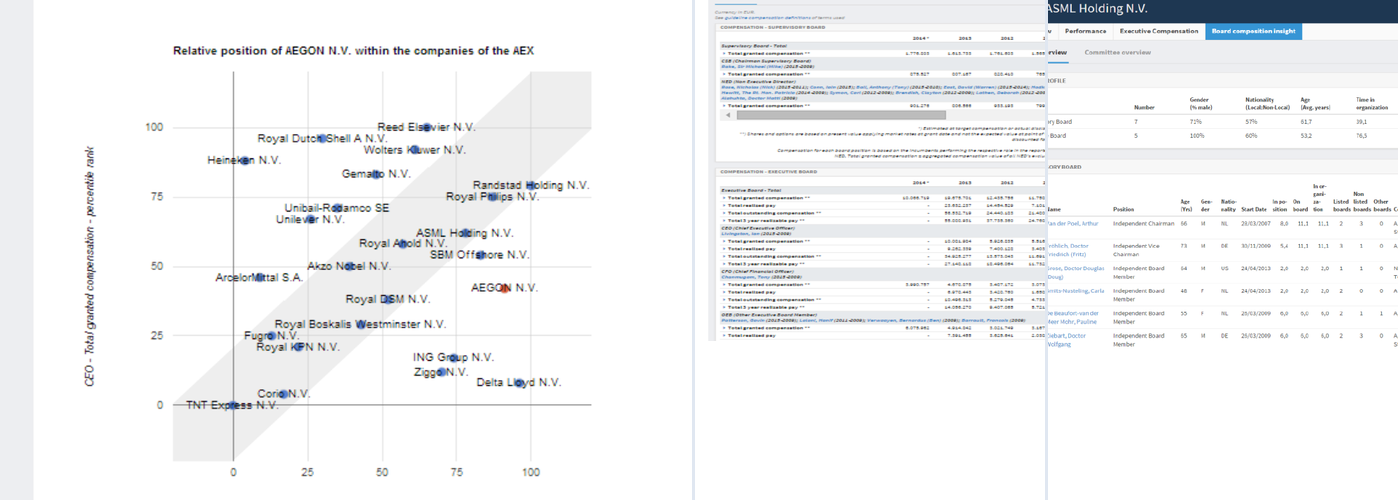
When Aniel Mahabier brought me in to help build DirectorInsight, a small team was already taking shape. A front-end developer, a mathematician, and me. An idea for a corporate governance analytics platform. Zero clients. Zero revenue.
The idea was clear: build a platform where institutional investors, board members, and HR professionals could access the same data on executive compensation and corporate governance. Standardized. Comparable. Across 1,150 European listed companies and 30,000 senior executives. Nothing like it existed.
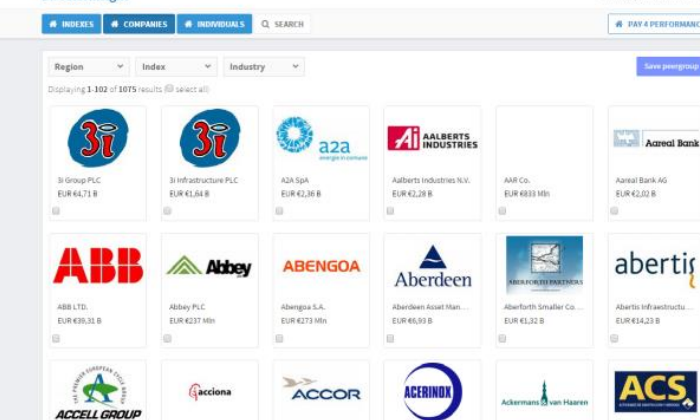
I designed the technical foundation. Database models for complex compensation structures. The architecture that would need to handle 31 European equity indexes and 30,000 executive profiles. The choices that would determine whether the platform could scale.
The team grew around it. The mathematician built the peer group algorithms and pay-for-performance analytics. More software engineers came on board. I went from hands-on developer to tech lead of a team of five, including DBA's and engineers. My role shifted from writing everything myself to designing the architecture, leading the team, and translating Aniel's business vision into what was technically feasible.
In 2016, Broadridge Financial Solutions, a NYSE-listed company, took a minority stake. They called DirectorInsight "an excellent complement to our existing suite of proxy services." That was a turning point. Not just for the funding, but for the validation. A major financial infrastructure company saw enough in what we'd built to put money behind it.
After I left, the platform was rebranded to CGLytics (Corporate Governance Analytics) and eventually acquired by Diligent Corporation, where it still operates today. The product I built from zero is now part of a global governance platform serving enterprises worldwide.
Five lessons from building zero to acquisition
1. Architecture decisions made in month one still matter in year four
When you're building from zero with no clients, it's tempting to cut corners on architecture. Ship fast, fix later. But "later" never comes the way you planned.
I designed the data models and processing pipelines knowing that compensation data across 31 European equity indexes would only grow. The choice between real-time calculations and pre-processing wasn't academic. It determined whether the platform would still be responsive when the dataset doubled. And it did double. Multiple times.
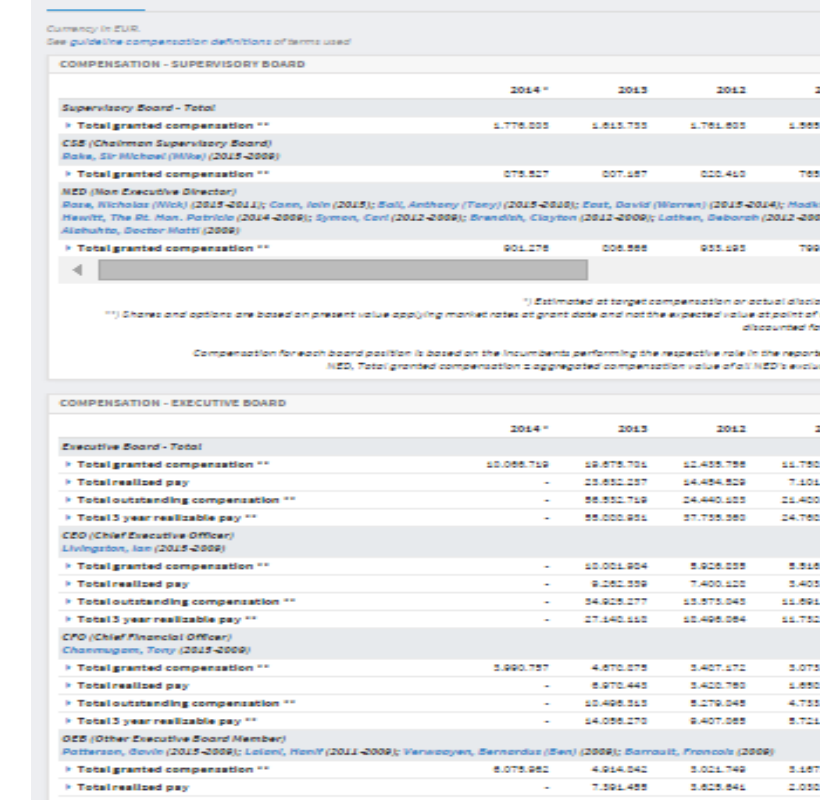
These were decisions we made early, when the team was still small enough to fit in one room. The companies that acquired DirectorInsight weren't buying users. They were buying a technical foundation they could build on.
2. Domain complexity beats technical complexity
The hardest part of building DirectorInsight wasn't the technology. It was understanding what "standardized executive compensation data" actually means when you're comparing a German DAX company with a Swedish OMX company.
Different reporting standards. Different disclosure requirements. Different definitions of what counts as "total compensation." Our mathematician had been there from the start, building the algorithms for peer group analysis and pay-for-performance screening. But those algorithms only worked because the underlying data architecture could handle the complexity.
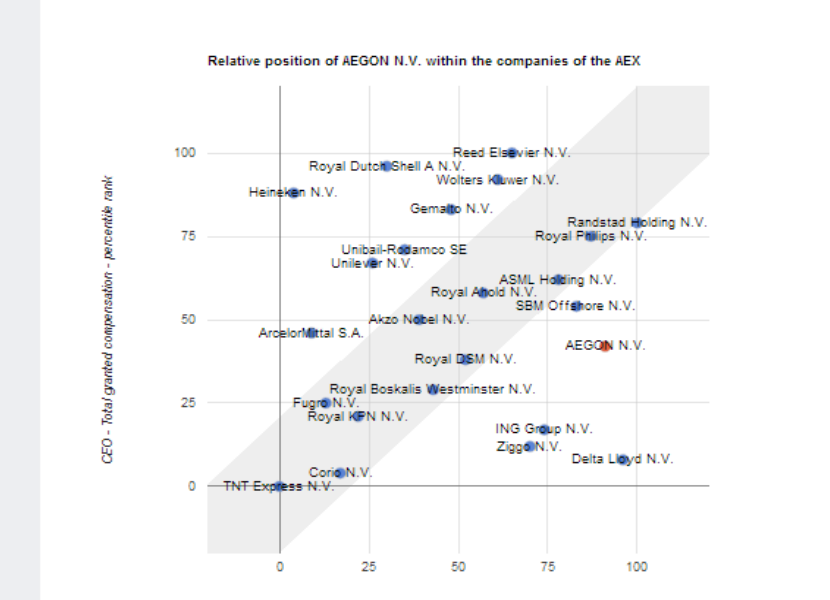
A generic data platform wouldn't have worked. The domain knowledge had to be embedded in the architecture from day one.
If you're a founder with deep domain expertise, that's not a nice-to-have. That's your competitive advantage. The technology is the easy part. The hard part is knowing what questions the data should answer.
3. Stay in your lane
Aniel ran the business. I built the platform. We challenged each other constantly, but the boundaries were clear. When it was a technology decision, I decided. When it was a market decision, he decided.
I've written about this before. The contrast with my previous venture, where role boundaries dissolved and two and a half years produced zero clients, couldn't be sharper. At DirectorInsight, the same energy produced a platform that companies like ING, ABN AMRO, De Nederlandsche Bank, and Rabobank used for their governance analytics.
4. The builder should keep building
As the team grew, there was pressure to move into a purely management role. I resisted. I stayed a working technical lead. Still writing code alongside the team, still making architecture decisions, still the person who understood how all the pieces fit together.
This mattered when Broadridge came in for due diligence. It mattered when complex features needed to be designed under time pressure. And it mattered for the team. A tech lead who still codes alongside you earns a different kind of trust than one who only delegates.
If you're hiring a technical co-founder or a first engineer, look for someone who wants to keep building. Not someone eager to stop coding the moment the team grows.
5. Build for the acquirer you don't know yet
We didn't build DirectorInsight to be acquired. We built it to work. Properly designed data models. Clean separation of concerns. A CI/CD pipeline that existed before we had our first paying client.
But that engineering discipline is exactly what made the platform attractive to acquirers. A product with a messy codebase and tribal knowledge locked in one person's head is worth less than a product built on a foundation that transfers cleanly to a new team.
You don't know who will buy your company, or if anyone will. But if you build it right, the option is there.
The pattern
I've built products from zero more than once. The pattern is always the same. Someone has a vision and domain expertise. They need someone who can translate that into a working system. Not just code, but architecture, data models, infrastructure, and a team that can execute.
That translation is what I do. It's what I did at DirectorInsight, and it's what I bring to founders building their first product today.
The tools have changed. I now build with Python, FastAPI, and AI-augmented development instead of PHP and Laravel. But the fundamentals haven't changed at all. Understand the domain. Design for growth. Stay hands-on. Build something worth buying, even if nobody's buying yet.
Kort samengevat: ik kwam vroeg aan boord bij DirectorInsight, een corporate governance analytics platform. Geen klanten, geen code, alleen een idee en een klein team. Ik ontwierp de architectuur, leidde het groeiende team, en bleef meebouwen. Het platform groeide naar 1.150 bedrijven en 30.000 executives, kreeg investering van Broadridge (NYSE), en werd uiteindelijk voor miljoenen overgenomen. Vijf lessen: architectuurkeuzes in maand één doen er nog toe in jaar vier, domeinkennis is belangrijker dan technologie, blijf in je eigen baan, blijf zelf bouwen, en bouw alsof iemand het wil kopen.
Jan Keijzer builds software for founders who have the vision but need the technical foundation. He's built platforms that scaled from zero to acquisition. jan-keijzer.nl